
Informal Sector Challenges
Africa's informal sector contributes 83% of employment but faces significant challenges. We explore these difficulties and develop AI-powered solutions to empower this crucial sector and address pressing needs.

Produce Spoilage
The lack of a mass market in the contributes to produce spoilage for farmers and grocers. Without sufficient demand or appropriate storage and transportation facilities, perishable goods usually go to waste, resulting in financial losses for traders.

Lack of Mass Market
Limited access to larger consumer bases hinders the growth of informal businesses due to poor infrastructure, fragmented markets and difficulty reaching remote areas.

Inadequate Learning Platforms
Informal sector traders in Africa often lack access to continuous education and ongoing skill development, which limits their business growth and productivity.
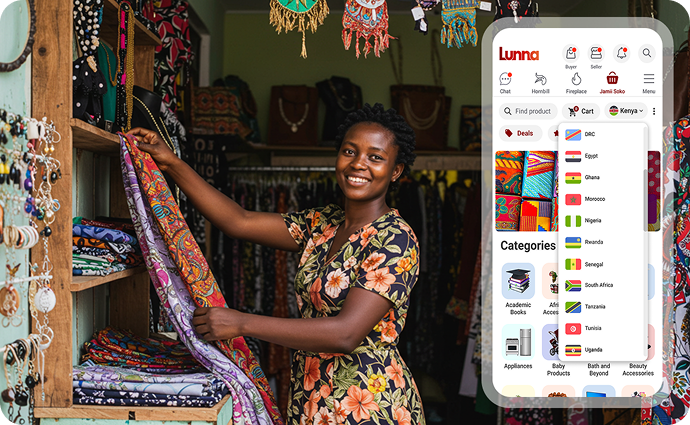
Expensive Text Books
The high cost of textbooks and learning materials limits the education of children from informal sector families, reinforcing inequality.
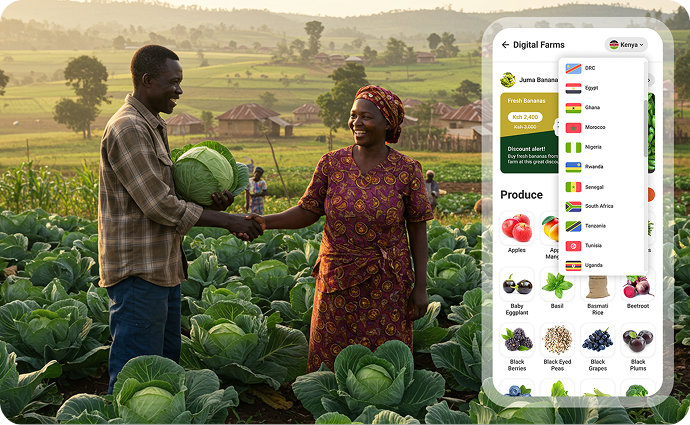
Inadequate Exposure
Traders and service providers in the informal sector struggle with limited exposure, making it hard to market their products, reach customers, and grow their businesses.

Low Intra-African Trade
Limited cross-border trade slows the growth of Africa's informal businesses due to poor infrastructure, complex regulations, high transport costs, and challenges with cross-border payments.
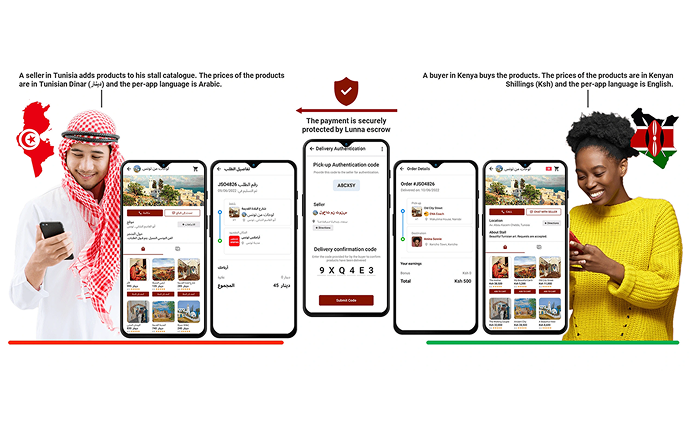
Lack of Platforms That Meet Africa's unique Shopping Needs
Current platforms in Africa usually feature traditional retail models which do not adequately serve the diverse preferences, affordability and accessibility requirements of African consumers.

Information Gap Fuels Disparity in Buying and Selling Produce
The information gap across African regions creates disparities. Some areas may have surpluses of produce while others face shortages. Poor communication and limited market access worsen the issue.